Table of Contents (15 sections)
In the world of music, formats have evolved dramatically over the years. Analog and digital music formats represent two distinct approaches to sound recording and reproduction. This article aims to provide a comprehensive comparison between these two formats as part of our explorations and discoveries in music.
Understanding Analog Music Formats
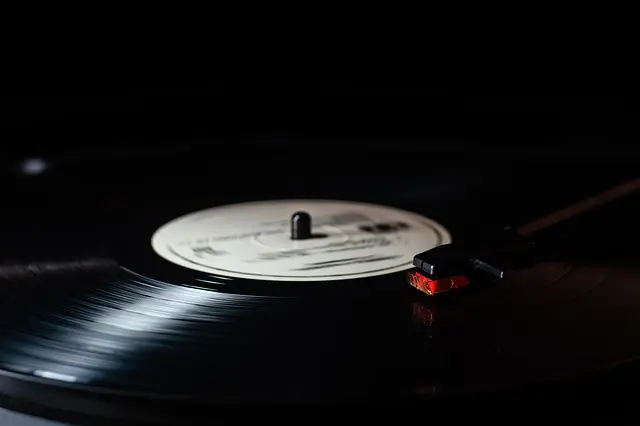
Analog music formats have been around since the invention of sound recording technology. They store sound waves in a continuous format, capturing the nuances and subtleties of live performances. Common analog formats include vinyl records and cassette tapes.
Characteristics of Analog Formats
- Sound Quality: Analog formats are often praised for their warmth and richness in sound. This quality results from the continuous waveforms that closely mirror the original sound.
- Tactile Experience: Many enthusiasts enjoy the physical process of handling vinyl records—placing the needle on the record, adjusting speakers, and sometimes even the visual aesthetic of album artwork.
- Durability Issues: However, analog formats can be more prone to wear and tear. Scratches on records can lead to skips, and tapes can become demagnetized over time.
Example: Vinyl Records
According to statistics, vinyl sales have surged in recent years, with a growth of over 30% annually since 2020. This resurgence highlights the demand for the analog listening experience, as well as greater cultural appreciation for vintage music systems. Vinyl records offer a unique auditory experience that many listeners find irreplaceable. A survey conducted by Nielsen Music showed that nearly 50% of vinyl buyers feel that it offers superior sound quality compared to digital formats.
Understanding Digital Music Formats
In contrast, digital music formats emerged with the advent of computer technology and the internet. These formats encode sound waves as binary data, making them easily editable and distributable. Common digital formats include MP3, WAV, and streaming services.
Characteristics of Digital Formats
- Convenience and Accessibility: Digital music is readily accessible via various platforms and devices—making it easier to discover and share music worldwide. The technology allows for storage of thousands of songs on a single device.
- Sound Quality: While some believe digital formats lack the warmth of analog, high-resolution formats like WAV or FLAC can rival analog sound quality.
- Durability and Storage: Digital files do not degrade over time, provided they are properly backed up. They allow for easy editing, mixing, and distribution, giving artists and listeners new ways to experience music.
Example: Streaming Services
The rise of streaming services like Spotify has changed how music is consumed. In 2026, over 60% of music listening is done through streaming, highlighting a shift in consumer behavior. This method gives users access to vast libraries without the need for physical media, promoting easy sharing and playlist creation.


- K NEX Education Stem Explorations Roller Coaster Ensemble l'âge 8 + Construction Jouet éducatif, 546 pièces, 77078
Darty FR
Comparison Table: Analog vs Digital
| Criteria | Analog Formats | Digital Formats | Verdict |
|---|---|---|---|
| Sound Quality | Warm and rich | Variable (high-res available) | Depends on format |
| Accessibility | Limited | Highly accessible | Favor digital |
| Durability | Susceptible to damage | Highly durable | Favor digital |
| User Experience | Tactile and engaging | Convenient and easy | Favor digital |
| Collectability | High | Low | Favor analog |
Expert Opinions
> 💡 Expert Opinion: According to insights from audio engineers, both formats serve different needs. While analog formats provide a tactile experience appreciated by purists, digital formats offer unparalleled convenience and manageability for the modern listener. Users should consider their own listening habits and preferences when choosing between the two.
Conclusion
When comparing analog and digital music formats, it’s essential to weigh the benefits and drawbacks of each. Select analog formats for the nostalgic experience and depth of sound quality, while opting for digital for convenience and ease of access. Ideally, a balanced approach offers the best of both worlds.
Glossary
| Term | Definition |
|---|---|
| Analog | A format that captures sound waves in a continuous, physical form. |
| Digital | A format that encodes sound as binary data, allowing for easier manipulation. |
| Streaming | A method of delivering audio content over the internet without downloading files. |
Checklist before choosing a format
- [ ] Evaluate your listening environment
- [ ] Determine your preferred sound quality
- [ ] Consider space for storage
- [ ] Think about how you wish to consume music (home, on the go, etc.)
- [ ] Explore local sources for acquiring music
📺 Resource Video
> 📺 For more insights: Understanding the Differences Between Analog and Digital Music Formats, a comprehensive analysis available on YouTube. Search for: Analog vs Digital music formats.
Quiz rapide
> 🧠 Quiz rapide: What music format is known for its warmth and rich sound quality?
> - A) Digital Music
> - B) Vinyl Records
> - C) Streaming Services
> Réponse : B — Vinyl records offer a distinct auditory experience favored by many enthusiasts.
Recommended Products
📺 Pour aller plus loin : analog vs digital music formats comparison sur YouTube
Recommended products
Selected by our experts
K'nex STEM Explorations Swing Ride
Darty FR
This product provides hands-on experiences for children, emphasizing creativity and exploration, which parallels the creative processes in music.
- K NEX Education Stem Explorations Roller Coaster Ensemble l'âge 8 + Construction Jouet éducatif, 546 pièces, 77078
Darty FR
This product engages children in STEM learning while incorporating fun, similar to the creativity found in music.