Table of Contents (9 sections)
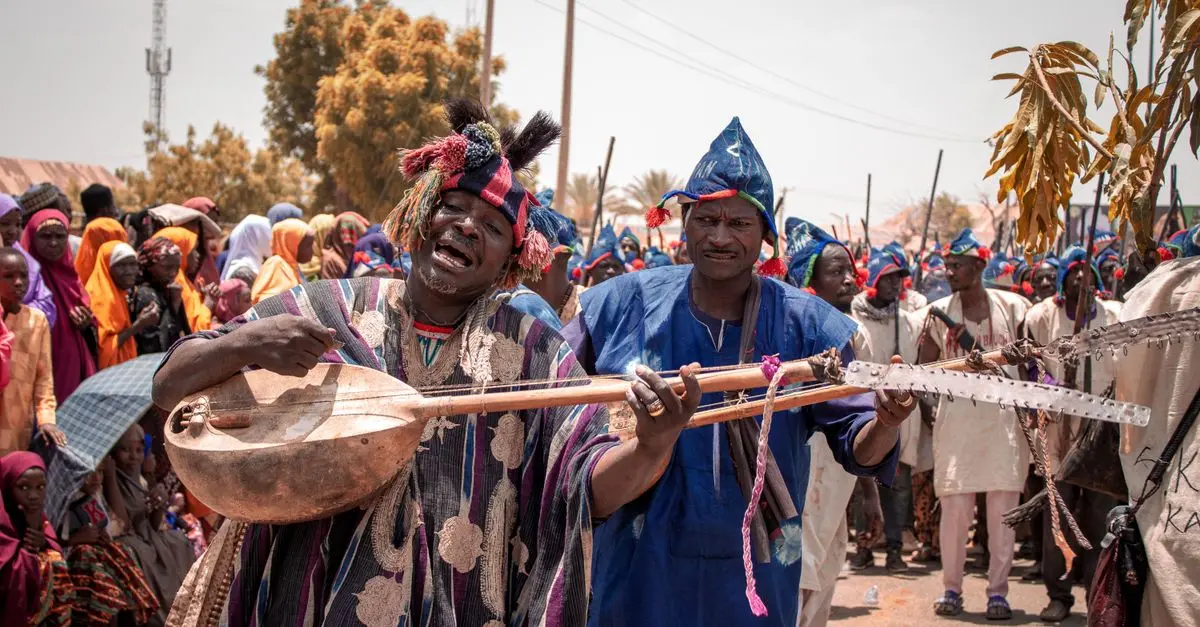
Traditional music offers a vibrant window into the cultures and histories of peoples around the world. These musical traditions, often passed down through generations, encompass a diverse range of styles, instruments, and cultural expressions. From the rhythmic beats of African drumming to the haunting melodies of Irish folk songs, traditional music serves not only as entertainment but also as a means of preserving heritage and identity.
What is Traditional Music?
Traditional music is defined as the musical expression of a culture that reflects its social values, beliefs, and history. It is generally oral in its transmission, allowing it to evolve over time while retaining its core elements. In many cases, traditional music is deeply intertwined with rituals, celebrations, and community gatherings. The significance of traditional music can be exemplified through specific genres such as blues, which originated from the African American experience in the Deep South, or Indian classical music, which showcases the rich spiritual and artistic heritage of India. According to a 2025 study by the International Council for Traditional Music, over 80% of world music genres can trace their roots to traditional forms, highlighting its foundational role in global music history.
The Process of Exploring Traditional Music
Exploring traditional music can be a rewarding experience. Here’s a step-by-step method to dive into the world of traditional music:
- Identify a Region or Culture: Start with a specific geographical area or culture that intrigues you. This could be anything from Native American music to Mongolian throat singing.
- Research the Instruments: Understanding the instruments used in traditional music can significantly enhance your experience. For example, the didgeridoo in Australian Aboriginal music or the sitar in Indian classical music each has a unique sound and cultural significance.
- Listen Actively: Seek out recordings, performances, or festivals showcasing traditional music. Listening to live performances can provide insight into the cultural contexts and emotions behind the music.
- Engage with the Community: If possible, interact with local musicians or cultural organizations. They can often provide firsthand experiences and share stories that enrich your understanding.
This process not only broadens your musical appreciation but also deepens your connection to the culture from which the music originates.
Comparing Different Traditions
When it comes to traditional music, comparing various cultures can uncover striking similarities and differences. Here's a comparative look at music from three regions:
| Feature | African Music | Irish Music | Indian Classical Music |
|---|---|---|---|
| Instruments | Djembe, Mbira | Tin Whistle, Fiddle | Sitar, Tabla |
| Rhythmic Structure | Complex polyrhythms | Simple melodies | Elaborate rhythmic cycles |
| Cultural Role | Community events, rituals | Social gatherings | Spiritual practices |
| Popularity | Global influence today | Folk festivals | Classical concerts |
The Impact of Technology on Traditional Music
In recent years, technology has profoundly impacted the way traditional music is preserved and disseminated. Digital platforms have made it easier than ever to share this music with a global audience. For instance, streaming services now offer playlists dedicated to traditional music from around the world, enabling listeners to explore diverse genres that may have once been confined to specific cultures. Research from the World Music Network shows that streaming of traditional music increased by 60% from 2020 to 2026, indicating a growing appreciation for global music traditions. Furthermore, social media platforms like YouTube provide a space for musicians to connect easily with audiences and share their heritage, overwhelming the geographical barriers that once isolated many traditional genres.
💡 Expert Opinion: Traditional music specialist Dr. Emily Carter states, "The advent of technology has democratized access to traditional music, enabling younger generations to engage with their heritage while also introducing these rich traditions to a worldwide audience. As we embrace innovation, it's crucial to ensure that the essence of these musical forms remains intact."
FAQs
What makes traditional music unique?
Traditional music is unique because it is deeply rooted in cultural practices, historical contexts, and collective community experiences, distinguishing it from popular music genres.
How can I learn traditional music?
You can learn traditional music through local cultural organizations, online courses, or community workshops offering instruction on specific instruments or music styles.
Is traditional music still relevant today?
Yes, traditional music remains highly relevant as it continues to evolve, providing insights into cultural identities and histories while also influencing modern music genres.
Can traditional music influence contemporary styles?
Absolutely! Many contemporary musicians draw inspiration from traditional music, infusing elements and rhythms into their compositions, which helps maintain the tradition's relevance.
📺 Resource Video
> For further exploration, check out The Roots of Traditional Music, an insightful analysis into various musical traditions worldwide. Search on YouTube: traditional music cultures 2026
Glossary
| Term | Definition |
|---|---|
| Oral Tradition | The practice of passing down songs and music through spoken communication rather than written notation. |
| Folk Music | Music that originates in traditional popular culture, typically transmitted orally. |
| Ethnomusicology | The study of music in its cultural context, combining elements of musicology, anthropology, and cultural studies. |
Checklist before exploring traditional music
- [ ] Identify a culture of interest
- [ ] Research traditional instruments
- [ ] Find recordings of performances
- [ ] Engage with local musicians or communities
- [ ] Attend live performances or festivals
- [ ] Explore digital music platforms
- [ ] Read about the cultural history
- [ ] Watch documentaries on music traditions
Exploring traditional music cultures can significantly enrich your understanding of the diverse ways in which humans express themselves through sound. Commit to the journey, and you may discover not only the richness of their heritage but also find a deeper connection to your own musical experiences.
📺 Pour aller plus loin : traditional music cultures 2026 sur YouTube