Table of Contents (14 sections)
Understanding Experimental Music
Experimental music is a genre that pushes the boundaries of traditional sound, challenging perceptions and expectations of music. It includes diverse styles—from avant-garde to electronic and noise music—and often prioritizes process over products. Artists like John Cage and Brian Eno have significantly impacted this genre, emphasizing creativity and exploration over conventional structure. In this constantly evolving field, musicians harness technology, found sounds, and unconventional instruments to create experiences that resonate on emotional and intellectual levels.
The importance of experimental music lies in its capacity to provoke thought and evoke varied emotions. For example, a piece may be intentionally unstructured to explore themes of chaos or freedom, encouraging listeners to engage actively with the experience rather than passively consuming it. With advances in technology, such as virtual reality, the potential for immersive explorations of sound has expanded, allowing for innovative performances that can change how we perceive music entirely.
Overall, diving into experimental music is a rewarding journey that opens doors to new soundscapes and artistic perspectives.
Step-by-Step Guide to Exploring Music
Step 1: Create a Dedicated Listening Space
The first step in exploring experimental music is to create an ideal acoustic environment. This means finding a quiet space free from distractions where you can fully immerse yourself in the sounds. Use good-quality headphones or a stereo system that allows for a rich auditory experience. Remove elements that might interrupt your focus, such as noisy devices or even bright screens, to cultivate an atmosphere conducive to exploration.
Step 2: Set Your Intentions
Before diving into your listening session, take a moment to set clear intentions. Are you looking to expand your genre knowledge, engage with local artists, or discover digital compositions? Establishing goals can help guide your listening choices and keep you on track. For example, if you're keen on understanding how sound shapes emotion, consider documenting how different pieces affect your mood throughout your listening phase.
Step 3: Start with Recommended Albums and Artists
To ease into the vast world of experimental music, research recommended albums and artists. Notable practitioners include Meredith Monk, Aphex Twin, and La Monte Young. Streaming platforms often have curated playlists or sections dedicated to experimental music, helping you discover iconic tracks that exemplify the genre. Focus on one artist or album at a time, allowing yourself to absorb their unique sound and style.
Step 4: Engage with Live Performances
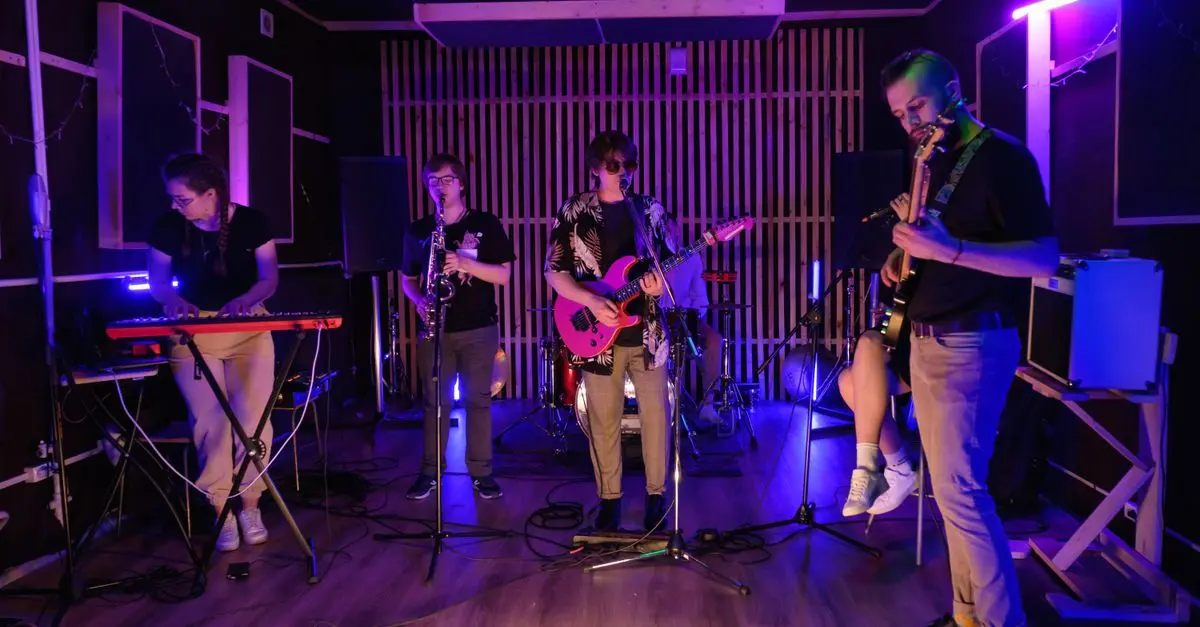
Live performances are central to experiencing the dynamic nature of experimental music. Attend concerts or festivals where artists push sound boundaries, allowing you to witness creativity in real-time. Look for local events or accessible online performances that may be held in non-traditional venues like art galleries or open mic nights, further enriching the live experience.
Step 5: Experiment with Creation
As you become more comfortable with experimental sounds, try your hand at creating your own music. Use tools like digital audio workstations (DAWs) that enable you to manipulate sound clips and effects creatively. Consider using everyday objects as instruments; found sounds can lead to unexpected sonic explorations. Collaborative projects with friends or local artists can also provide additional insights and perspectives on the art of sound.
💡 Expert Insight: Remember that mistakes in experimental music can be a springboard for creativity. Many artists emphasize that there is no 'right' or 'wrong' way to create.
Comparative Analysis of Music Genres
| Genre | Key Characteristics | Notable Artists | Unique Elements |
|---|---|---|---|
| Experimental Classical | Focus on avant-garde techniques, often using non-traditional instruments | John Cage, George Crumb | Incorporation of silence, unconventional time signatures |
| Electronic | Utilizes electronic instruments and digital manipulation | Aphex Twin, Kraftwerk | Sampling, looping, and synthesizers |
| Noise | Emphasis on dissonance, chaos, and non-melodic sounds | Merzbow, Wolf Eyes | Unconventional sound sources, abrasive textures |
| Ambient | Texture over tonal or rhythmic element; often soothing | Brian Eno, The Orb | Long-form pieces featuring gradual development |
Statistics and Trends in Experimental Music
The popularity of experimental music has been steadily increasing over the past few years. According to data from Statista, the global electronic music market was estimated at approximately $7.5 billion in 2023, showing a growth trend that includes experimental styles. Furthermore, the rise of platforms like SoundCloud and Bandcamp has allowed for greater accessibility, enabling avant-garde musicians to reach a broader audience without relying solely on traditional label support.
Additionally, in a survey by MusicWatch, 30% of listeners indicated they had engaged with experimental genres at least once a month, highlighting an ongoing interest in exploring diverse musical expressions. As technology continues to evolve, expect more musicians to integrate innovative tools in their compositions, expanding the genre's horizons.
Frequently Asked Questions
Q: What defines experimental music?
A: Experimental music defies conventional structures and often prioritizes innovation over tradition, allowing for diverse sound exploration.
Q: How can I start listening to experimental music?
A: Begin by creating a focused environment, setting listening intentions, and exploring curated playlists featuring key artists in the genre.
Q: Is experimental music only for specific listeners?
A: No! It appeals to anyone interested in pushing musical boundaries and exploring new auditory experiences.
Q: What are some common instruments used in experimental music?
A: Common instruments include synthesizers, found objects, traditional acoustic instruments, and digital soundscapes.
Checklist before diving into experimental music
- [ ] Create a dedicated listening space
- [ ] Set clear listening goals
- [ ] Research recommended albums and artists
- [ ] Attend live performances
- [ ] Experiment with sound creation
Glossary
| Term | Definition |
|---|---|
| Avant-Garde | A term applied to artists pushing the boundaries of what is accepted in art, music, or literature. |
| Soundscape | The acoustic environment as it is perceived by humans. It may encompass music, natural sounds, and noise. |
| DAW | Digital Audio Workstation, a software for recording, editing, and producing sound files. |
> 📺 To learn more: [The Evolution of Experimental Music], an insightful exploration of its roots and innovations. Search on YouTube: "experimental music history 2026".