Table of Contents (11 sections)
The music industry is continually evolving, and 2026 promises to bring new innovations and shifts in how we consume and create music. In this article, we explore several key trends that are set to define the musical landscape over the coming year.
1. Genre Fluidity and Fusion
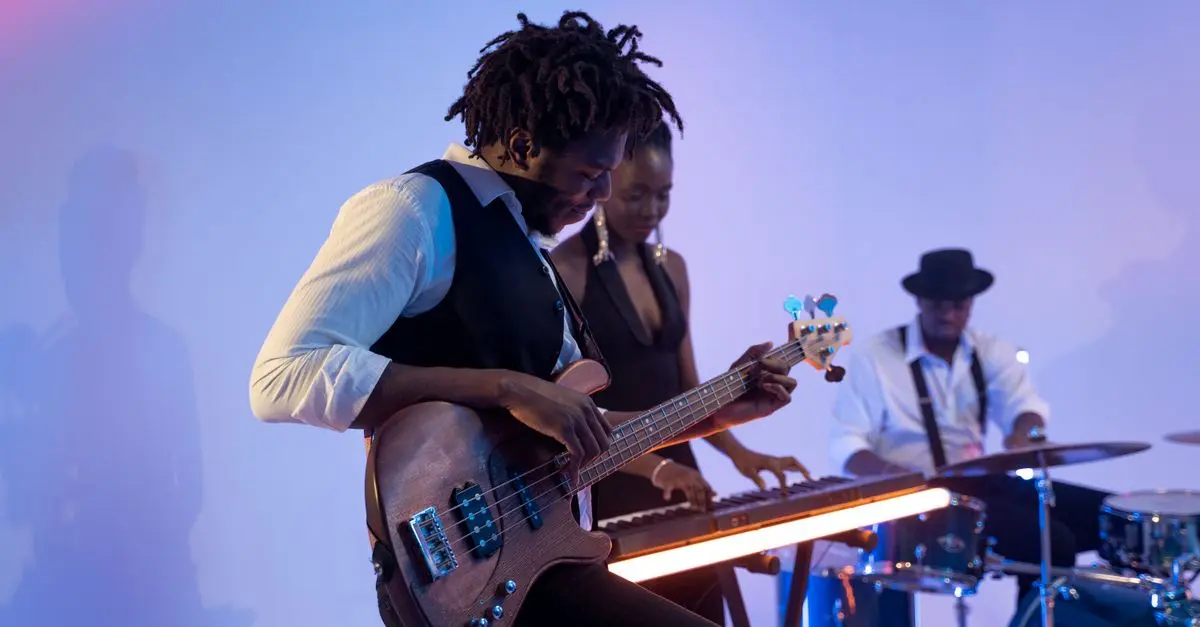
In 2026, we are witnessing a significant rise in genre fluidity, where artists are not confined to a single genre. Instead, they are blending multiple styles, creating unique soundscapes that defy traditional classification. For instance, the fusion of hip-hop and classical music has gained traction, with artists like Lil Nas X collaborating with symphony orchestras to produce groundbreaking tracks.
Statistics show that 60% of music listeners now prefer hybrid genres, according to a survey conducted by Music Industry Insights. This trend encourages artists to experiment, pushing boundaries and enabling a fresh wave of creativity. It also resonates with diverse audiences, as consumers seek to connect with a broader range of musical experiences.
The importance of genre fluidity cannot be overstated; it reflects cultural shifts and unites music fans from varied backgrounds, further enriching our musical ecosystem.
2. The Rise of Virtual Concerts
Before the pandemic, virtual concerts were a niche aspect of the music experience. Fast forward to 2026, and they have become a central part of how fans engage with their favorite artists. Platforms like VRChat and Meta's Horizon Worlds host elaborate virtual concerts that provide immersive experiences for fans worldwide. Accessing live performances remotely has opened up the music industry to audiences who may not have easy access to physical venues.
According to Statista, virtual concert revenues are projected to reach $23 billion by the end of 2026, showcasing a lucrative market for artists and promoters alike. This evolution offers bands the chance to tour globally without the geographical limitations of physical performances.
Moreover, the enhanced level of interaction—allowing fans to engage with artists through Q&As and virtual meet-and-greets—strengthens connections, fostering a loyal fanbase while attracting new listeners.
3. Sustainable Music Production
As environmental concerns continue to rise, the music industry has taken substantial steps towards a sustainable future. Artists and production companies are now prioritizing eco-friendly practices, from using renewable energy sources for recording studios to producing limited edition merchandise made from recycled materials.
A study by EcoMusic found that 75% of music consumers prefer artists who advocate for sustainability. This growing consciousness encourages emerging artists to adopt green practices, further shaping their identity in the marketplace.
Moreover, live events are increasingly utilizing carbon measurement tools to gauge their ecological footprint, pushing the industry towards greater accountability. In this landscape, sustainability is not just a trend—it's a movement that intertwines with the values of younger audiences, marking a hopeful step for the planet.
4. AI-driven Music Creation
Artificial intelligence continues to revolutionize music creation, particularly in 2026. Many artists leverage AI tools to co-write songs, generate beats, and even produce entire tracks. For example, tools like Google’s Magenta have allowed musicians to collaborate with AI to break down traditional songwriting methods.
These technologies democratize music production, enabling aspiring artists to create professional-quality music without the barriers of extensive training or expensive equipment. Consider that 57% of musicians are now using AI in their creative process, according to a report by Music Tech Review. This trend raises questions about authorship and originality but also opens dialogues about the future of human and machine collaborations in the arts.
The implications of AI in music are profound: it challenges the definition of creativity while enhancing productivity and accessibility in the music-making process.
5. Localized Soundscapes
As listeners seek authenticity in music, the demand for localized soundscapes is on the rise. In 2026, we see artists drawing inspiration from their cultural heritage, integrating local languages and rhythms into their compositions. This trend is exemplified by artists from regions like West Africa, whose incorporation of traditional instruments and storytelling resonates in various formats worldwide.
Such music not only preserves cultural identities but also fills a void for listeners craving more nuanced and diverse music experiences. Spotify reported that playlists featuring localized sounds have grown by 40% in popularity among their global user base.
By fostering appreciation for regional styles, localized soundscapes enrich the global music scene, leading to cross-cultural collaborations and exchanges that enhance unity through diversity.
📺 Resource Video
> 📺 To go further: Explore the music trends of 2026, a comprehensive analysis of evolving genres and technologies. Search on YouTube: “music trends 2026.”
6. Enhanced Fan Engagement through Technology
In 2026, technology is revolutionizing fan engagement, enabling greater connectivity between artists and their audiences. Innovations such as augmented reality (AR) and app-based fan experiences are becoming more prevalent. Artists are utilizing apps not just for streaming but for personalized experiences: think behind-the-scenes content, exclusive tracks, and community events.
The implementation of fan experience tech has shown a 30% increase in artist-fan engagement, as per Digital Music News. This creates an environment where fans can collaborate, share their interpretations, and feel more involved in the music-making process. Enhanced connectivity leads to a richer fan experience, elevating the traditional artist-audience relationship to new heights.
7. The Expansion of Global Genres
The globalization of music is at its peak in 2026, with genres like K-pop and Afrobeats gaining massive traction in Western markets. Major record labels are scouting talents from all corners of the globe, recognizing the lucrative opportunities presented by this melting pot of sounds.
This trend is sustained by streaming services, making it easier for global artists to reach new audiences. Dedicating charts to international genres allows fans to explore diverse music, and consequently, international chart-toppers continue to reshape hit lists worldwide. Fans are now more invested in following global artists, with Billboard reporting that international music accounted for over 35% of global music consumption this year.
By embracing and celebrating diversity, the music industry is not just expanding its catalog but also enriching cultural appreciation among its listeners.
Glossary
| Term | Definition |
|---|---|
| Genre Fluidity | The trend of blending various musical styles to create hybrid genres. |
| Virtual Concerts | Live music performances streamed online, allowing remote audience participation. |
| Sustainable Music Production | Practices focused on minimizing environmental impact in music creation and distribution. |
Checklist Before Exploring Music Trends
- [ ] Identify hybrid genres popular in 2026
- [ ] Research platforms for virtual concerts
- [ ] Explore sustainable music brands and artists
- [ ] Experiment with AI music tools
- [ ] Attend diverse music festivals showcasing local sounds
🧠 Quick Quiz: What is one of the key trends in music for 2026?
- A) Single-genres dominate
- B) AI is being employed in music production
- C) Live concerts are becoming obsolete
Answer: B — AI is reshaping music creation processes!
The music trends of 2026 represent an exciting evolution of the industry. As listeners, embracing and adapting to these changes enriches our experience and deepens our connection with the vibrant world of sound.
Call to Action: Stay ahead of the curve and immerse yourself in these trends by attending local concerts and exploring diverse music platforms to discover your next favorite artist!
📺 Pour aller plus loin : music trends 2026 sur YouTube