Table of Contents (14 sections)
Music has long been recognized as a universal language, transcending geographical and cultural boundaries. Its profound ability to encapsulate emotions, narratives, and traditions makes it a crucial element in forming cultural identity. As people engage in musical explorations, they often uncover layers of their identity that may otherwise remain hidden. This article delves into the multifaceted impact of music on cultural identity, examining its emotional resonance, educational value, and its role as a community unifier.
Information: Defining Cultural Identity through Music
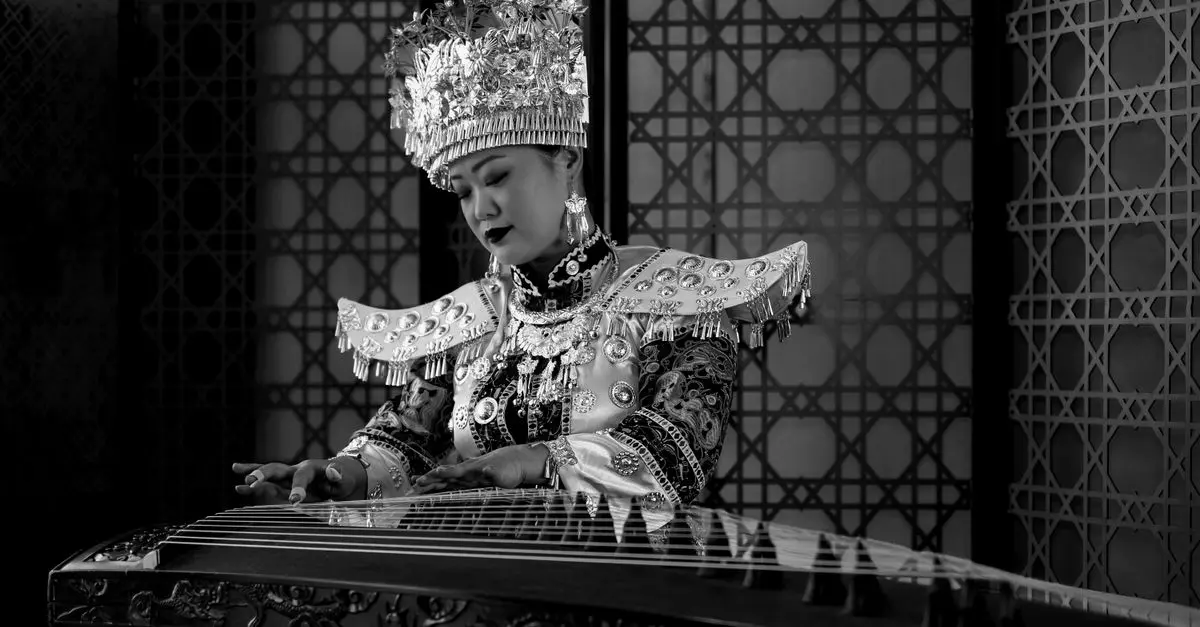
Cultural identity is the sense of belonging to a group that shares similar cultural traits—be it language, traditions, or values. Music serves as a reflection of these shared characteristics and expresses individuality and collective identity. According to a study conducted by The Pew Research Center, 62% of participants reported that music plays a significant role in expressing their cultural identity. For instance, traditional folk music carries historical significance, often telling stories and preserving the heritage of a community that may otherwise be lost. Genres such as blues or samba not only function as forms of entertainment; they encapsulate the struggles, joys, and nuances of specific cultural narratives. These musical styles invite participants to engage deeply with their roots while promoting an understanding of their place within broader societal contexts.
Procedural: Engaging with Music to Understand Identity
Step 1: Choosing Your Musical Genres
To comprehend the influence of music on your own cultural identity, start by identifying the genres that resonate with you. Consider both traditional music from your heritage and contemporary genres that you enjoy.
Step 2: Participating in Live Performances
Attend live performances or festivals that feature these genres. Engaging with local musicians and communities can provide a richer understanding of the cultural significance behind the music.
Step 3: Education through Music
Enroll in workshops or courses focused on the musical traditions of your culture. Universities and community colleges often offer classes that explore the relationship between music and culture, enhancing your appreciation and knowledge.
Step 4: Reflect and Document
Create a journal to reflect on your experiences as you engage with various musical forms. Document how they influence your understanding of your cultural identities.
Comparative Analysis of Global Musical Influences
| Aspect | Traditional Music | Contemporary Music | Cultural Impact |
|---|---|---|---|
| Origin | Deeply rooted in local history | Influenced by global trends | Creates a sense of belonging |
| Instrumentation | Acoustic, often handmade instruments | Electronic, digitally produced | Different emotional resonance |
| Themes | Stories of heritage and tradition | Broad themes, often personal | Can lead to cultural appropriation |
| Community Involvement | Local musicians and communal events | Mass media engagements | Diverse audience engagement |
Analytical Insights: Statistics and Trends in Music
Recent studies highlight the shifting trends within music consumption. According to the International Federation of the Phonographic Industry (IFPI), streaming platforms accounted for 62% of the global music market in 2026. This statistic underscores the accessibility of diverse musical genres and how they allow for exploration beyond geographical confines. Additionally, 42% of users of these platforms report discovering new music representative of different cultures, indicating a keen interest in cultural exploration through sound. Such exposure has the potential to enrich one's understanding of different identities and foster appreciation for diversity.
Moreover, surveys by Music Watch reveal that 75% of respondents believe that music enhances their social interactions, thus reaffirming its role in cultural identity formation. As individuals share playlists or attend concerts, they engage in collective storytelling and celebrate diversity.
Expert Opinions on Music's Role in Cultural Identity
> 💡 Expert Insight:
> Dr. Maria Alvarez, a cultural musicologist, argues that music serves not only as entertainment but also as a vital tool for self-expression and identity formation. She notes, "The genres we choose to listen to often mirror our backgrounds and experiences, for music has an extraordinary ability to resonate with deeply held beliefs and sentiments."
📺 Resource Video
> 📺 For further exploration: Music and Cultural Identity, an insightful examination of how musical traditions shape our identities. Search on YouTube: impact of music on cultural identity 2026.
Glossary
| Term | Definition |
|---|---|
| Cultural Identity | The feeling of belonging to a group based on shared culture |
| Folk Music | Traditional music that reflects the culture and history of a community |
| Cultural Appropriation | The adoption of elements of one culture by members of another culture without permission or understanding |
Checklist for Musical Exploration
- [ ] Identify musical genres relevant to your culture
- [ ] Attend at least one live music event or festival
- [ ] Reflect on how different music influences your identity
- [ ] Engage with local communities through music
- [ ] Create a personal playlist representing your cultural roots
🧠 Quick Quiz
> 🧠 Quiz rapide: What role does music play in shaping our cultural identity?
> - A) None
> - B) It reflects personal experiences
> - C) It only entertains
> Réponse : B — Music reflects personal experiences and connects us to our cultural heritage.
In summary, through extensive musical explorations, individuals can deepen their understanding of their cultural identities. As our world continues to globalize, the lines between musical styles blur, fostering new hybrid forms that further enrich cultural dialogues. Music will undoubtedly remain a powerful conduit for identity exploration and community engagement.
Embrace the gift of music to explore your identity and connections to the world. Now is the time to dive into those musical explorations that resonate with your cultural roots, igniting your passion for the collective human experience.
📺 Pour aller plus loin : impact of music on cultural identity 2026 sur YouTube